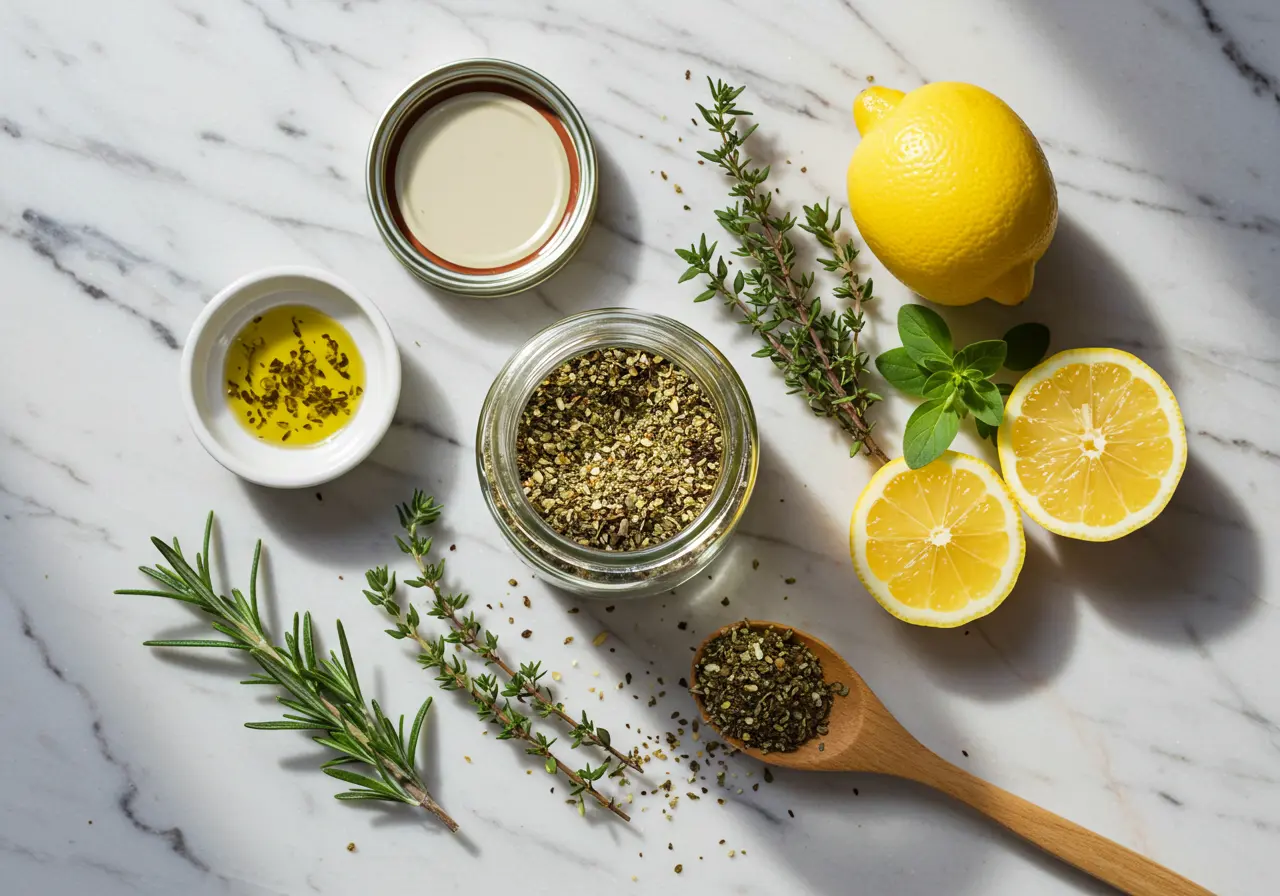
Greek Seasoning Recipe
Looking for authentic Greek taste? This proven Greek Seasoning Recipe combines traditional herbs for perfect Mediterranean flavor.
Published: Sep 1, 2025 | By Ilyas Siaghy
I started making my own Greek Seasoning Recipe after realizing how quickly those little store-bought spice bottles seemed to disappear from my pantry. One evening, while preparing grilled chicken for dinner, I reached for my favorite Greek seasoning and found the container nearly empty. Instead of running to the store, I mixed together a few dried herbs and spices I already had on hand, and the result was even better than I expected.
Since then, this homemade Greek Seasoning Recipe has become one of the most-used blends in my kitchen. It has the perfect balance of savory herbs, garlic, onion, and Mediterranean-inspired flavors that instantly make simple ingredients taste more exciting. Whether I’m seasoning chicken, roasted vegetables, potatoes, seafood, or homemade salad dressings, this versatile blend adds a fresh and flavorful touch to almost everything.
One of the things I love most about making my own seasoning mixes is knowing exactly what’s in them. There’s no need for unnecessary additives or preservatives, and you can easily adjust the flavors to suit your taste. Plus, it’s more affordable than constantly buying pre-made spice blends.
If you’re looking for the best Greek Seasoning Recipe, this easy homemade version delivers bold, authentic flavor using simple pantry staples. Once you make a batch, you’ll find yourself reaching for it again and again whenever you want to add a delicious Mediterranean twist to your favorite meals.
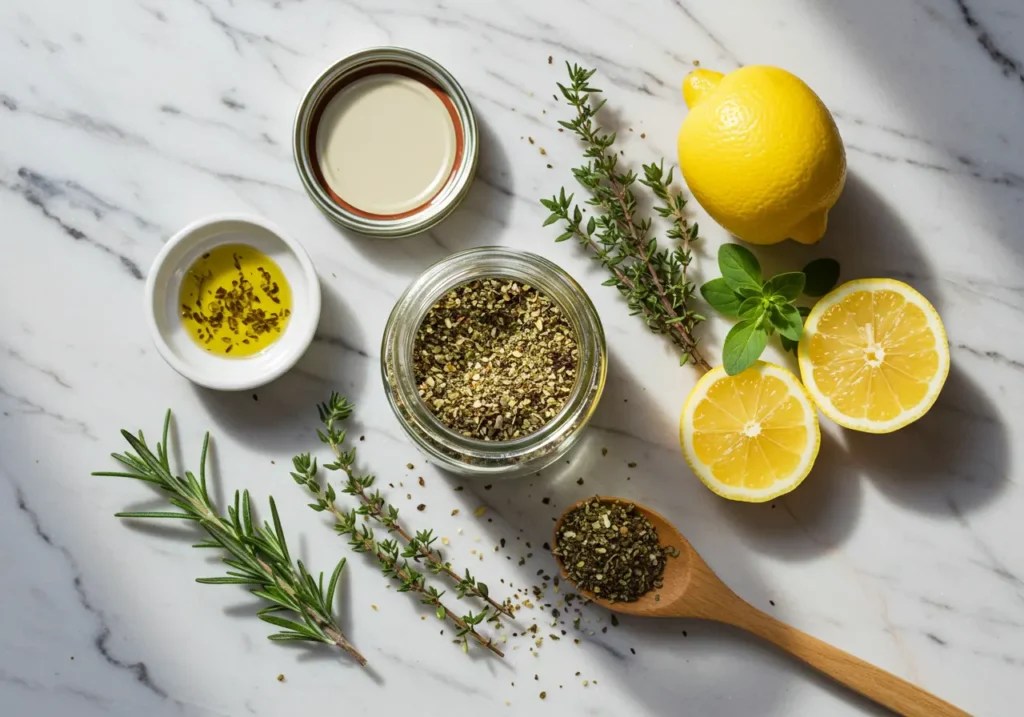
Greek Seasoning Recipe Ingredients
- 1/2 cup dried oregano (preferably Greek oregano)
- 1/4 cup dried basil
- 1/4 cup dried thyme
- 3 tablespoons dried rosemary
- 3 tablespoons garlic powder
- 2 tablespoons onion powder
- 2 tablespoons dried parsley
- 1 tablespoon salt (sea salt or kosher salt)
- 1 tablespoon black pepper, freshly ground
- 2 teaspoons dried dill
- 1 teaspoon dried mint (optional, but adds authentic Greek flavor)
- 1/2 teaspoon ground nutmeg
Pro Tip: The quality of your herbs makes a huge difference! If your dried herbs have been sitting in your spice rack for over a year, it’s time for fresh ones. Trust me, your taste buds will thank you.
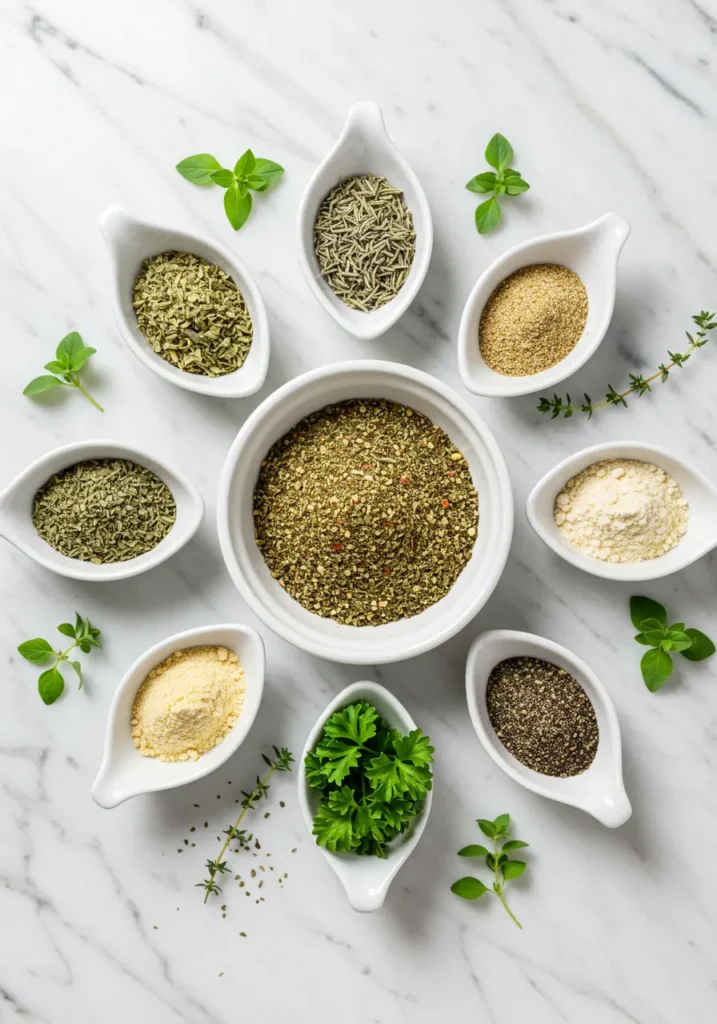
How to Make Greek Seasoning (Step by Step)
Step 1: Gather Your Ingredients
Measure out all your herbs and spices. I like to use small prep bowls – it makes the process feel more professional and ensures I don’t miss anything. Plus, the kids love helping with this part!
Step 2: Combine the Base Herbs
In a large mixing bowl, combine the oregano, basil, thyme, and rosemary. These are your flavor powerhouses, so take a moment to smell that amazing aroma. This is what Mediterranean dreams are made of!
Step 3: Add the Aromatics
Stir in the garlic powder, onion powder, and parsley. These ingredients add depth and that savory note that makes greek recipes so irresistible.
Step 4: Season and Spice
Add the salt, black pepper, dill, mint (if using), and nutmeg. Mix everything thoroughly with a whisk or large spoon. Don’t skip the whisking – it ensures every spoonful has the perfect balance of flavors.
Step 5: The Final Mix
Give everything one final, vigorous stir. Take a small pinch and taste it. This is the moment when you’ll understand why homemade is always better
Step 6: Store Properly
Transfer your finished greek seasoning to airtight containers. Glass jars work beautifully, but any airtight container will do.
Tips for the Best Greek Seasoning
Crush the Herbs for Better Flavor
If your dried rosemary or thyme looks a little chunky, don’t skip this step. Rub the herbs between your fingers or give them a gentle crush before adding them to the mix. This helps release their natural oils and makes the Greek seasoning blend more balanced. You’ll notice the flavor spreads more evenly over meats and veggies.
Toast the Spices to Level It Up
For a deeper, more restaurant-style flavor, lightly toast your dried herbs in a dry skillet for about 30–60 seconds. Keep the heat low and stir constantly so nothing burns. This simple step wakes up the spices and gives your homemade Greek seasoning a warmer, richer taste. Let them cool before mixing so the flavors stay fresh.
Always Check Herb Freshness
Before you start mixing, take a quick moment to smell each herb. Fresh dried spices should smell bold and look vibrant, not dusty or dull. If anything smells stale or barely has a scent, it’s time to replace it. Using fresh herbs makes a noticeable difference in the final seasoning blend.
Storage Instructions
Store It Airtight for Best Results
Always keep your Greek seasoning in an airtight container to lock in flavor. Glass jars with tight lids, like mason jars, are ideal and won’t absorb odors. High-quality plastic containers work too if they seal well. The less air that gets in, the longer your seasoning stays fresh and fragrant.
Keep It Cool and Out of the Light
Heat and sunlight are the fastest way to dull spices. Store your seasoning in a cool, dark spot like a pantry or spice cabinet, away from the stove or oven. This helps preserve the color and aroma of the dried herbs. Think calm, dark, and dry for maximum freshness.
Label the Jar (You’ll Thank Yourself Later)
It’s easy to forget when you mixed up a spice blend, so add a simple label with the date. Even if you’re sure you’ll remember, this small habit makes a big difference. It helps you rotate spices and always cook with the best flavor. Plus, labeled jars make your spice cabinet feel organized.
How Long Homemade Greek Seasoning Lasts
When stored properly, your seasoning will taste its best for about 6 to 8 months. It’s still safe to use for up to a year, but the flavors may not be as bold. Homemade blends don’t have preservatives, which is a good thing but it also means freshness matters more.
Signs It’s Time to Make a New Batch
If the herbs look faded, grayish, or dusty, that’s your first clue. Open the jar and smell it, if the aroma is weak or barely there, the flavor will be too. Clumping or moisture is another red flag. When in doubt, mix a fresh batch for the best results.
How to Use Your Homemade Greek Seasoning
Greek seasoning is a versatile spice blend that can instantly add bold Mediterranean flavor to everyday meals. Sprinkle it over chicken, lamb, or fish before grilling, baking, or pan-searing for an easy, well-seasoned protein. Toss it with olive oil and vegetables like potatoes, zucchini, or bell peppers before roasting to create a simple yet flavorful side dish. It also works beautifully in marinades just mix Greek seasoning with lemon juice, garlic, and olive oil. Stir it into yogurt or sour cream to make a quick sauce or dip for wraps and bowls. Use it to season rice, quinoa, or couscous for a fragrant base. A pinch can elevate soups, stews, and even scrambled eggs. You can also blend it into ground meat for burgers or meatballs. For a lighter touch, sprinkle it over salads with feta and olives. Once you start using Greek seasoning, you’ll find it fits effortlessly into both quick weeknight dinners and special meals.
Perfect Pairings: What to Make Next
Once you’ve mastered this Greek Seasoning Recipe, you’ll want to use it in everything! Here are some perfect recipes to try:
- Greek Lemon Chicken (use 3 tablespoons of your seasoning)
- Mediterranean Roasted Vegetables (perfect weeknight winner)
- Greek-Style Lamb Chops (family-approved every time)
- Homemade Greek Salad Dressing (restaurant-quality at home)
Greek Seasoning Recipe FAQs
Can I use fresh herbs instead of dried in this Greek Seasoning Recipe?
While this recipe is specifically designed for dried herbs, you can experiment with fresh ones. However, fresh herbs won’t store as long and the measurements will be completely different. For fresh herbs, you’d need about 3 times the amount listed, and the blend should be used within a week when refrigerated.
What makes Greek seasoning different from Italian seasoning?
Great question! Greek seasoning typically includes more oregano (especially Greek oregano), often contains dill and mint, and has a more pronounced garlic and onion flavor. Italian seasoning focuses more on basil, rosemary, and sometimes includes fennel. The flavor profiles are distinctly different – Greek is more robust and herb-forward.
Can I make this greek seasoning recipe gluten-free?
Absolutely! This Greek Seasoning Recipe is naturally gluten-free as long as you check that your individual spices haven’t been processed in facilities that handle wheat. Most single-ingredient spices are gluten-free, but it’s always smart to double-check labels if you have celiac disease or severe sensitivity.
How much of this seasoning should I use per serving?
For most dishes, start with 1-2 teaspoons per serving and adjust to taste. For marinades, use 1-2 tablespoons per pound of protein. Remember, you can always add more, but you can’t take it away – so start conservatively!
Can I grind whole spices for this recipe?
Definitely! If you have whole spices like peppercorns or whole dried herbs, grinding them fresh will give you even better flavor. Just make sure everything is ground to a similar consistency so the blend mixes evenly.
Is this seasoning keto-friendly and suitable for other diets?
Yes! This greek seasoning is perfect for keto, paleo, Whole30, and most other dietary approaches. It’s just pure herbs and spices with no added sugars, fillers, or artificial ingredients. It’s also naturally vegan and vegetarian.
Can I double or triple this recipe?
Absolutely! This recipe scales beautifully. Just maintain the same proportions, and make sure you have containers large enough to hold larger batches. It’s actually more economical to make larger batches since you’ll use it regularly.
No Hidden Ingredients:
Unlike store-bought versions, you know exactly what’s in your blend. No artificial preservatives, anti-caking agents, or mysterious “natural flavors.”
Sodium Control:
You control the salt content, making it perfect for those watching their sodium intake. The robust herb flavors mean you can use less salt overall in your cooking.
More Easy Mediterranean Recipes
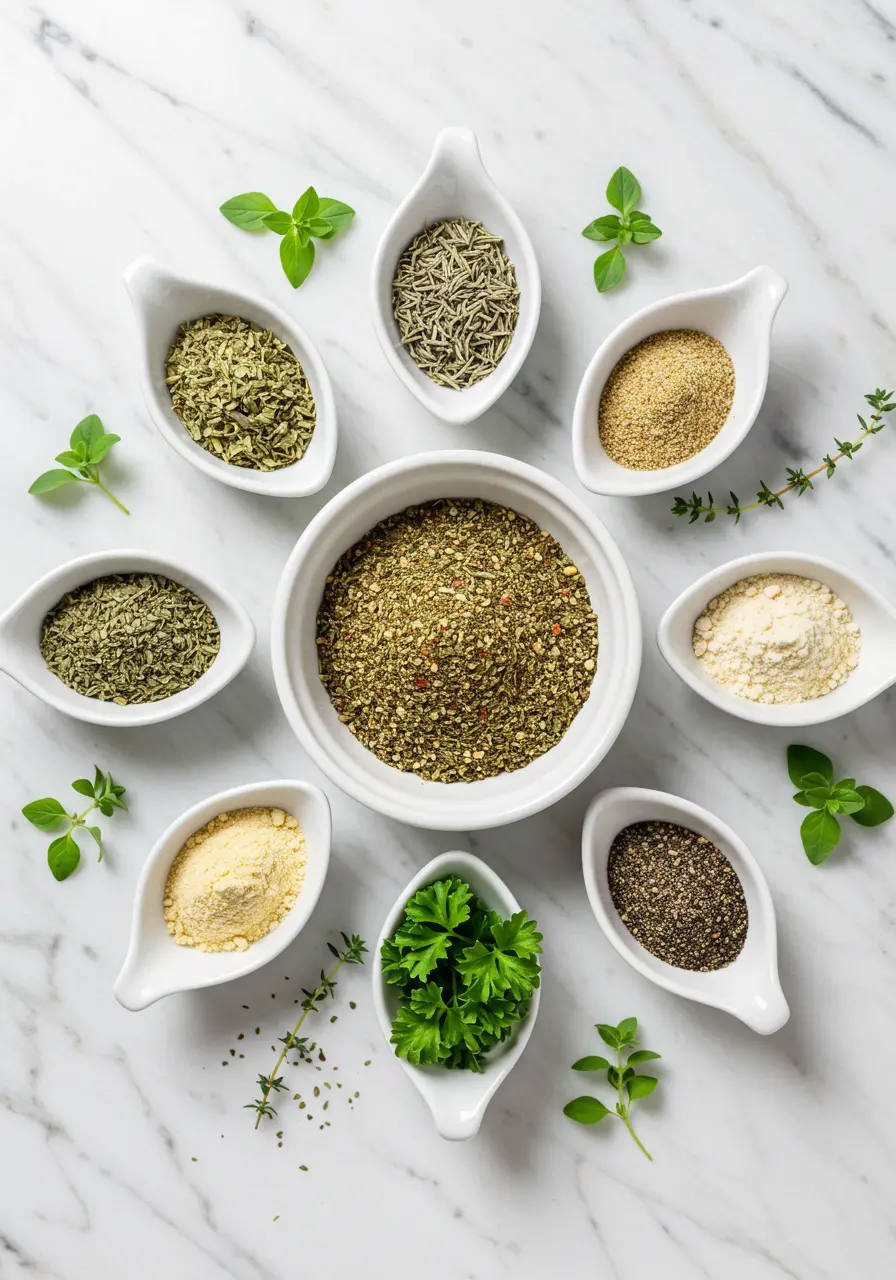
Greek Seasoning Recipe
Ingredients
Method
- Measure out all your herbs and spices. Use small prep bowls to organize ingredients and ensure you don't miss anything.
- In a large mixing bowl, combine the oregano, basil, thyme, and rosemary. These are your flavor powerhouses.
- Stir in the garlic powder, onion powder, and parsley. These ingredients add depth and savory notes.
- Add the salt, black pepper, dill, mint (if using), and nutmeg. Mix everything thoroughly with a whisk or large spoon.
- Give everything one final, vigorous stir. Take a small pinch and taste it to ensure perfect balance of flavors.
- Transfer your finished Greek seasoning to airtight containers. Glass jars work beautifully and keep flavors fresh for 6-8 months.