
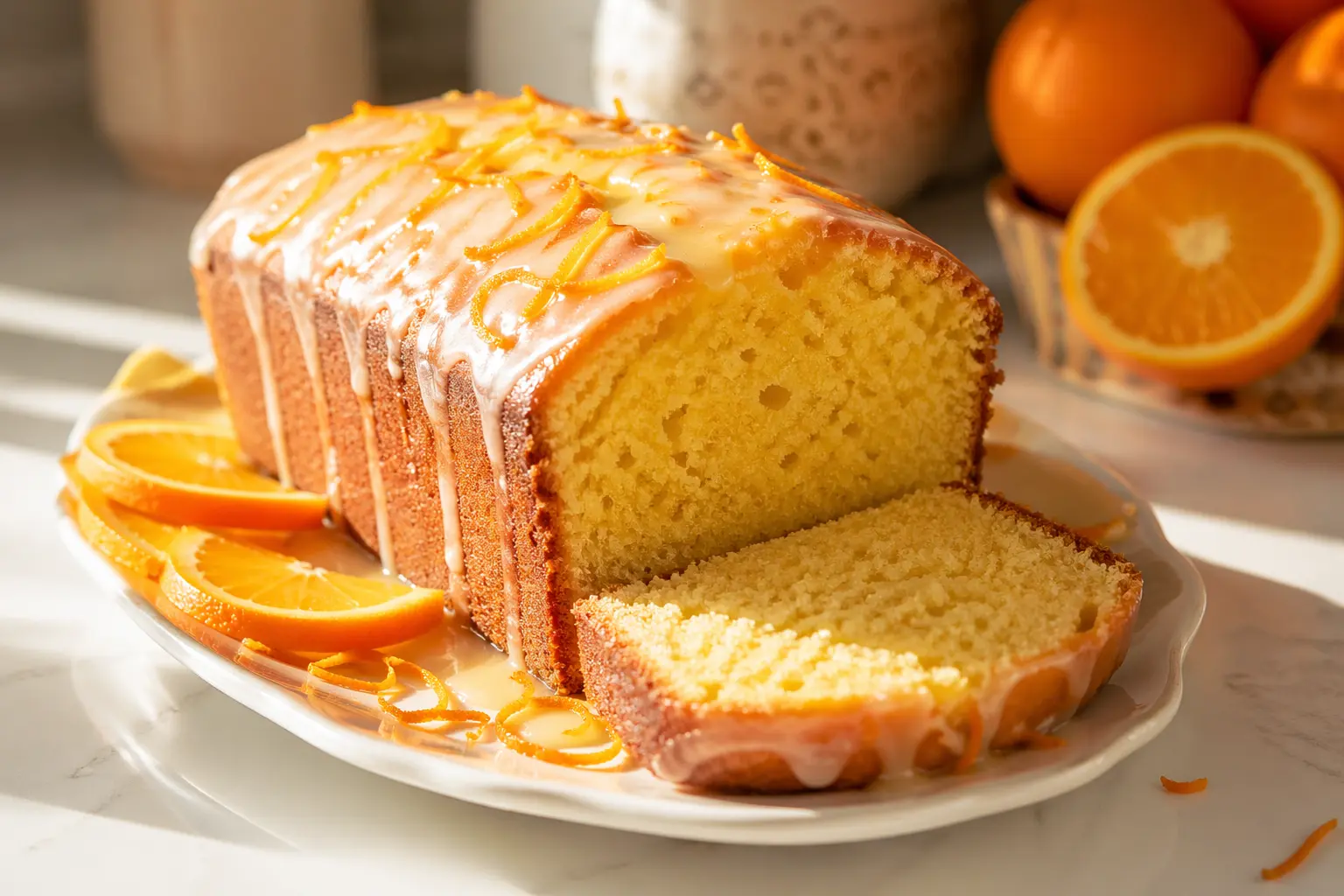
Orange Pound Cake Recipe
Moist, buttery, tender Moroccan orange pound cake recipe bursting with fresh and fragrant orange zest and juice. Perfect for afternoon tea!
Published: Apr 22, 2026 | By Ilyas Siaghy
The first time I baked this Moroccan Orange Pound Cake Recipe, it was inspired by the way oranges are used so generously in Moroccan kitchens just fresh, fragrant, and full of life. Growing up around Moroccan flavors, oranges were never just fruit; they were part of simple desserts, lightly sprinkled with cinnamon or orange blossom water, served after meals with mint tea. That memory is exactly what I wanted to capture in this Moroccan Orange Pound Cake Recipe, a buttery and moist cake infused with fresh orange juice and zest, but also touched with that subtle Moroccan character that makes it feel special.
Tools You’ll Need
Why You’ll Love This Orange Pound Cake Recipe
This isn’t your average orange loaf cake. Here’s what makes it completely irresistible:
- Deeply moist crumb
- Buttery, rich texture
- A subtle Moroccan warmth
- Beginner-friendly
- One bowl, minimal mess
Whether you’re looking for a basic orange cake recipe for a weeknight treat, an afternoon tea showstopper, or a beautiful homemade gift, this moist orange cake recipe checks every single box. It’s fully family-approved, and I’d be shocked if it lasts more than 24 hours in your home. I hope you love it as much as i do! 🍊🍰
The Cultural Story Behind This Recipe
Morocco is a country deeply in love with oranges. From the famous orange tree-lined boulevards of Marrakech to the fresh-squeezed orange juice vendors dotting every medina corner, the orange is practically the national fruit.
Traditional Moroccan baking often uses orange blossom water (known locally as ma’ zahar) to perfume sweets and pastries. It’s floral, delicate, and utterly transporting, one small teaspoon can make your entire kitchen smell like a Moroccan riad garden.
This Moroccan orange cake recipe takes the beloved structure of a classic western pound cake and infuses it with that Moroccan soul. The result is something truly special: familiar enough to be comforting, exotic enough to be exciting.
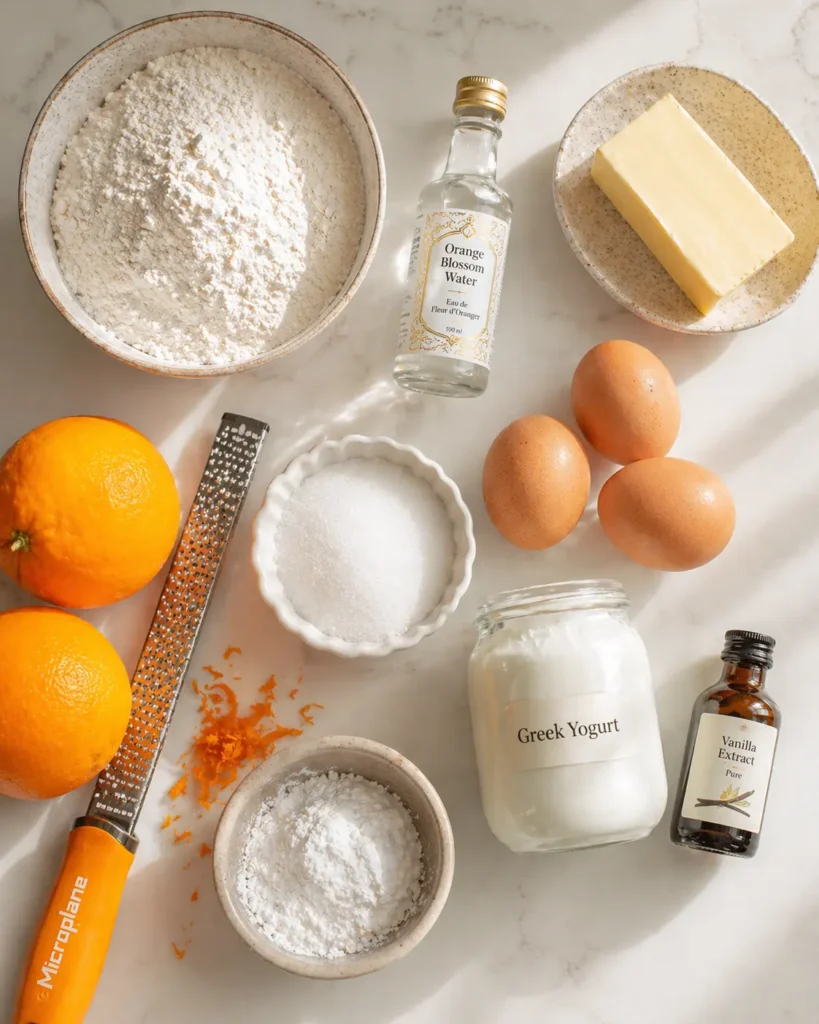
Ingredients for Moroccan Orange Pound Cake
The Cake:
- 1 ½ cups (190g) all-purpose flour
- 1 ½ tsp baking powder
- ¼ tsp salt
- ¾ cup (170g) unsalted butter, softened to room temperature
- 1 cup (200g) granulated white sugar
- 3 large eggs, room temperature
- ⅓ cup (80ml) freshly squeezed orange juice (about 1 large orange)
- Zest of 2 large navel oranges
- 1 tsp pure vanilla extract
- 1 tsp orange blossom water (the Moroccan secret ingredient!)
- 2 tbsp full-fat sour cream or Greek yogurt
For the Orange Syrup (Optional but Highly Recommended):
- ¼ cup (60ml) freshly squeezed orange juice
- 3 tbsp granulated sugar
For the Orange Glaze:
- 1 cup (120g) powdered sugar, sifted
- 2–3 tbsp freshly squeezed orange juice
- ½ tsp orange zest
Ingredient Sourcing Tips:
- Use navel oranges for the best flavor because they’re sweet, juicy, and fragrant
- Orange blossom water is available at Middle Eastern grocery stores, most international food aisles, or online. It’s worth every penny
- Room temperature butter and eggs are non-negotiable for a smooth batter, pull them out 30–45 minutes before you start
How to Make Orange Pound Cake From Scratch
Prep Your Kitchen (Step 1)
- Preheat your oven to 325°F (165°C). This lower temperature is key, it bakes the cake slowly and evenly for that perfectly tender crumb.
- Grease a 9×5 inch loaf pan generously with butter, then dust lightly with flour. Alternatively, line with parchment paper leaving overhang on the sides for easy lifting.
- Zest your oranges before juicing, a good citrus zester makes this so much faster and gives you finer, more fragrant zest.
- Measure and lay out all your ingredients before you begin. This is called mise en place and it makes the whole process smoother and more enjoyable.
Mix Your Dry Ingredients (Step 2)
- In a medium bowl, whisk together the flour, baking powder, and salt.
- Whisk for a full 30 seconds to make sure everything is evenly distributed, this prevents pockets of baking powder in your cake.
- Set the bowl aside.
Cream the Butter and Sugar (Step 3)
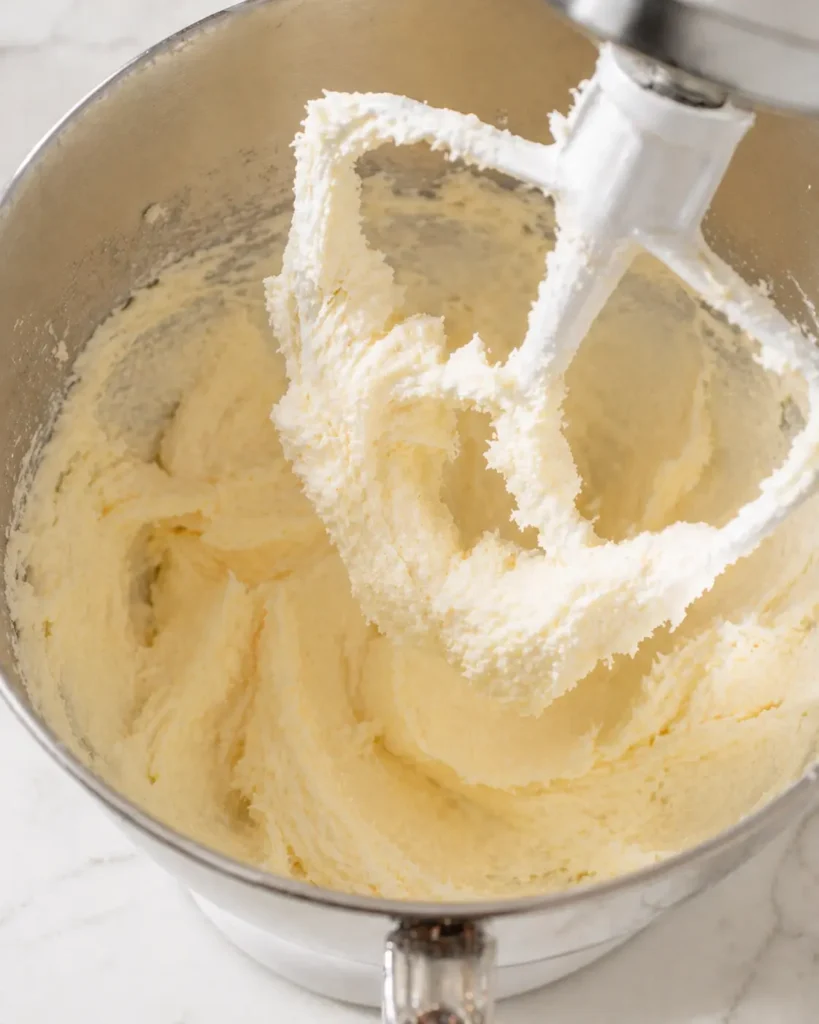
- In a large mixing bowl (or the bowl of a stand mixer fitted with the paddle attachment), add your softened butter and sugar.
- Beat on medium-high speed for 4–5 full minutes until the mixture is pale, light, and very fluffy. Don’t rush this step, this is what gives your cake its lift and tender texture.
- Stop and scrape down the sides of the bowl halfway through.
Beginner tip: Properly creamed butter and sugar should look almost white and feel airy when you rub a bit between your fingers. If it still looks yellow and dense, keep going!
Add the Eggs (Step 4)
- Add the eggs one at a time, beating well on medium speed after each addition, about 30–45 seconds per egg.
- After all 3 eggs are incorporated, the batter should look smooth and slightly glossy.
- If the batter looks curdled or lumpy, don’t panic, it will come together once you add the flour.
Add the Orange Flavor (Step 5)
- Add the orange zest, orange juice, vanilla extract, and orange blossom water to the batter.
- Mix on low speed just until combined.
- Add the sour cream or Greek yogurt and mix again briefly. This is your moisture insurance, it keeps the crumb incredibly tender and soft.
Fold in the Flour (Step 6)
- Add the flour mixture to the wet ingredients in two additions.
- Mix on low speed (or fold by hand with a spatula) just until no dry streaks remain.
- Do NOT overmix at this stage, overmixing develops gluten and leads to a tough, dense cake. Mix until just combined and stop.
Bake the Cake (Step 7)
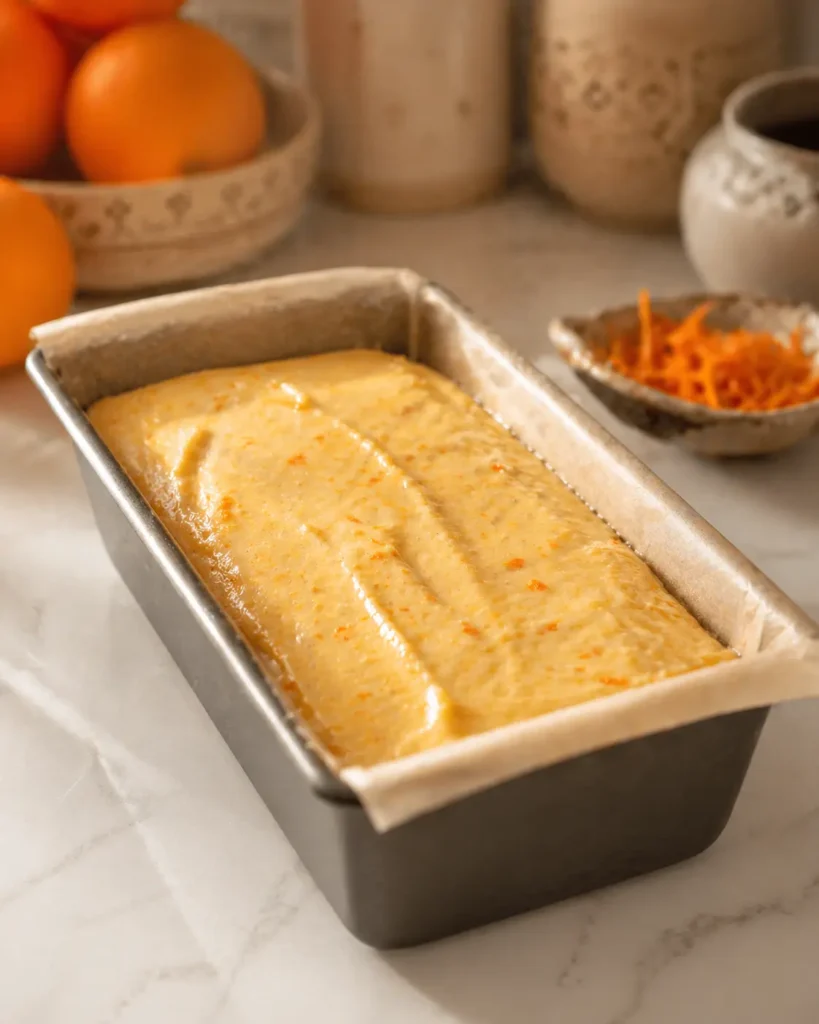
- Pour the batter into your prepared loaf pan and smooth the top with a spatula.
- Gently tap the pan on the counter 2–3 times to release any large air bubbles.
- Bake at 325°F (165°C) for 55–60 minutes, or until a toothpick inserted in the center comes out clean or with just a few moist crumbs.
- At the 40-minute mark, loosely tent the top with aluminum foil if it’s browning too quickly.
- The internal temperature of a fully baked pound cake should read 200–210°F (93–99°C) if you have an instant-read thermometer, it removes all the guesswork.
Make the Orange Syrup (Step 8)
- While the cake is baking, combine the orange juice and sugar in a small saucepan over medium heat.
- Stir until the sugar dissolves, then simmer for 2–3 minutes until slightly thickened.
- Remove from heat and set aside.
- As soon as the cake comes out of the oven, use a toothpick or skewer to poke holes all over the top of the warm cake.
- Slowly brush or pour the warm syrup over the cake while it’s still in the pan. Let it absorb completely.
Cool and Glaze (Step 9)
- Let the cake cool in the pan for 15–20 minutes, then lift it out onto a wire cooling rack to cool completely before glazing..
- Allow it to cool completely before adding the glaze (at least 1 hour). Glazing a warm cake = runny mess.
- To make the glaze, whisk together the sifted powdered sugar, orange juice, and zest until smooth. It should be thick but pourable.
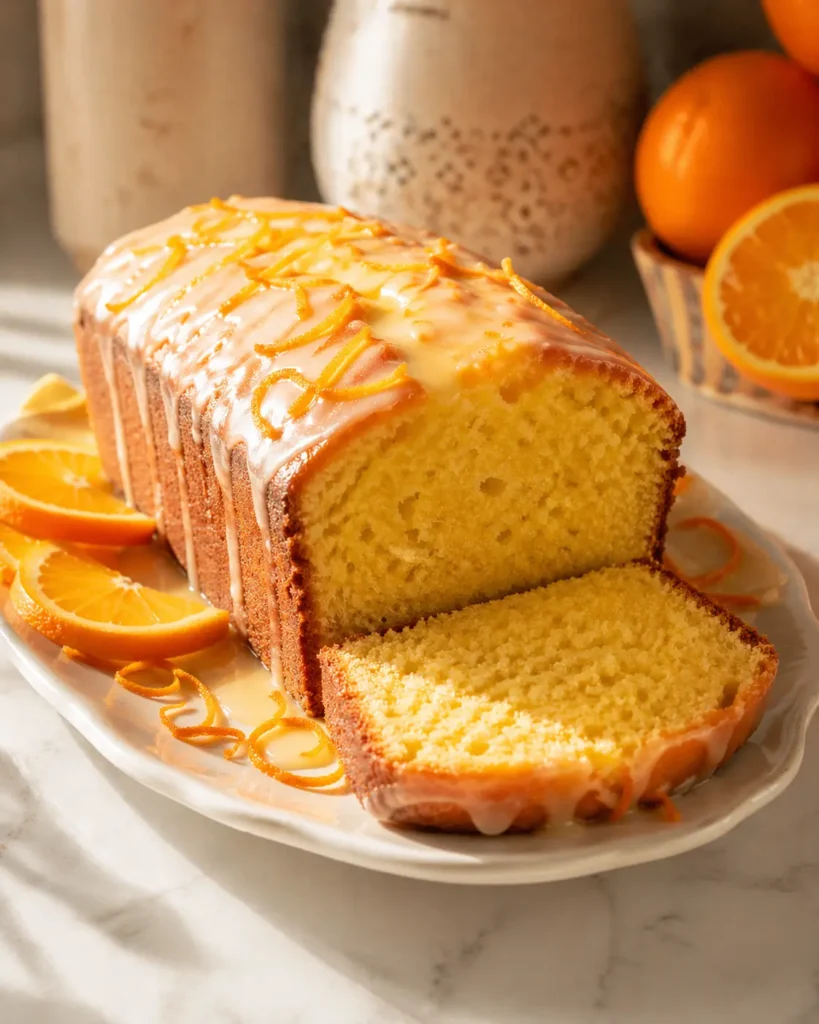
- Drizzle generously over the cooled cake and let it set for 15 minutes before slicing.
Pro Tips, Substitutions & Variations
Pro Tips for the Perfect Moist Orange Cake:
- Always use room temperature ingredients. Cold butter won’t cream properly; cold eggs can cause the batter to split.
- Zest before you juice, always. Trying to zest an already-juiced orange is a frustrating experience you don’t need.
- Don’t skip the syrup. It’s the step that takes this from a good orange loaf cake to an absolutely extraordinary one.
- Use a light-colored loaf pan if possible, darker pans absorb more heat and can overbrown the crust before the inside is done.
Easy Substitutions:
- No orange blossom water? Add ½ tsp almond extract for a different but equally lovely flavor
- No sour cream? Full-fat Greek yogurt works perfectly, same moisture
- Salted butter? Go ahead and use it, just omit the added salt in the recipe
- Gluten-free? Swap the all-purpose flour for a 1:1 gluten-free baking flour blend
Fun Variations to Try:
- Chocolate Orange: Fold in ½ cup mini dark chocolate chips to the batter
- Almond Moroccan: Add ¼ cup finely ground almonds to the flour for extra richness
- Cardamom Orange: Add ½ tsp ground cardamom for a spicier Moroccan flavor profile
- Lemon-Orange Swirl: Replace half the orange juice with lemon juice and add lemon zest for a citrus double-hit
Storage & Reheating Instructions
- At Room Temperature: Wrap the cake tightly in plastic wrap or store in an airtight container. It keeps beautifully at room temperature for up to 3 days and honestly, it gets even more moist on day 2 as the flavors deepen.
- In the Refrigerator: Store wrapped in the fridge for up to 5–6 days. Let it come to room temperature for 20 minutes before serving for the best texture.
- In the Freezer: This cake freezes wonderfully! Slice it first, wrap individual slices in plastic wrap, and freeze in a zip-lock bag for up to 3 months. Thaw at room temperature overnight or microwave individual slices for 20–30 seconds.
- Reheating Tip: A quick 15-second zap in the microwave revives any slice beautifully, the butter melts slightly and the cake tastes fresh-baked again. ☀️
Frequently Asked Questions
Can I make this Moroccan orange cake recipe ahead of time?
Absolutely, and I actually encourage it! This cake is one of those magical bakes that tastes better the next day. The orange syrup soaks deeper into the crumb overnight, and all the flavors mellow and meld together beautifully. Bake it the day before your event, store at room temperature wrapped tightly, and glaze it the morning of serving.
Can I make this as a round cake instead of a loaf?
Yes! Pour the batter into a greased and floured 8-inch round cake pan and reduce the baking time to 40–45 minutes. Check for doneness with a toothpick starting at the 40-minute mark.
Why did my orange pound cake sink in the middle?
A few possible culprits: too much leavening (always measure carefully), underbaking (give it the full time), opening the oven door too early (resist the urge until at least the 45-minute mark), or overmixing the batter. Follow the steps closely and you’ll be golden, literally.
Can I use bottled orange juice instead of fresh?
You can, but fresh is strongly recommended. Freshly squeezed orange juice has a brightness and acidity that bottled juice simply can’t replicate, especially in a recipe where orange is the star. If you must use bottled, choose a premium, 100% pure variety with no added sugar.
Is orange blossom water essential for this Moroccan orange cake?
It’s not essential, but it is the ingredient that makes this recipe distinctly Moroccan rather than just a standard orange loaf cake. It adds a delicate floral note that’s truly unique. If you can get your hands on a bottle (it’s inexpensive and lasts ages), please try it at least once, you’ll understand immediately why it’s special.
Can I make this recipe dairy-free?
Yes! Substitute the butter with vegan butter (Earth Balance or Miyoko’s work well), and replace the sour cream with coconut yogurt or dairy-free Greek-style yogurt. The texture will be very similar, though very slightly less rich.
What oranges work best for this moist orange cake recipe?
Navel oranges are the gold standard here — they’re sweet, virtually seedless, have deeply fragrant zest, and are available year-round. During winter months, blood oranges make a stunning and flavorful alternative with a gorgeous pink-hued crumb. Avoid using overly bitter oranges like Seville for this recipe.
Dessert Recipes You’ll Love
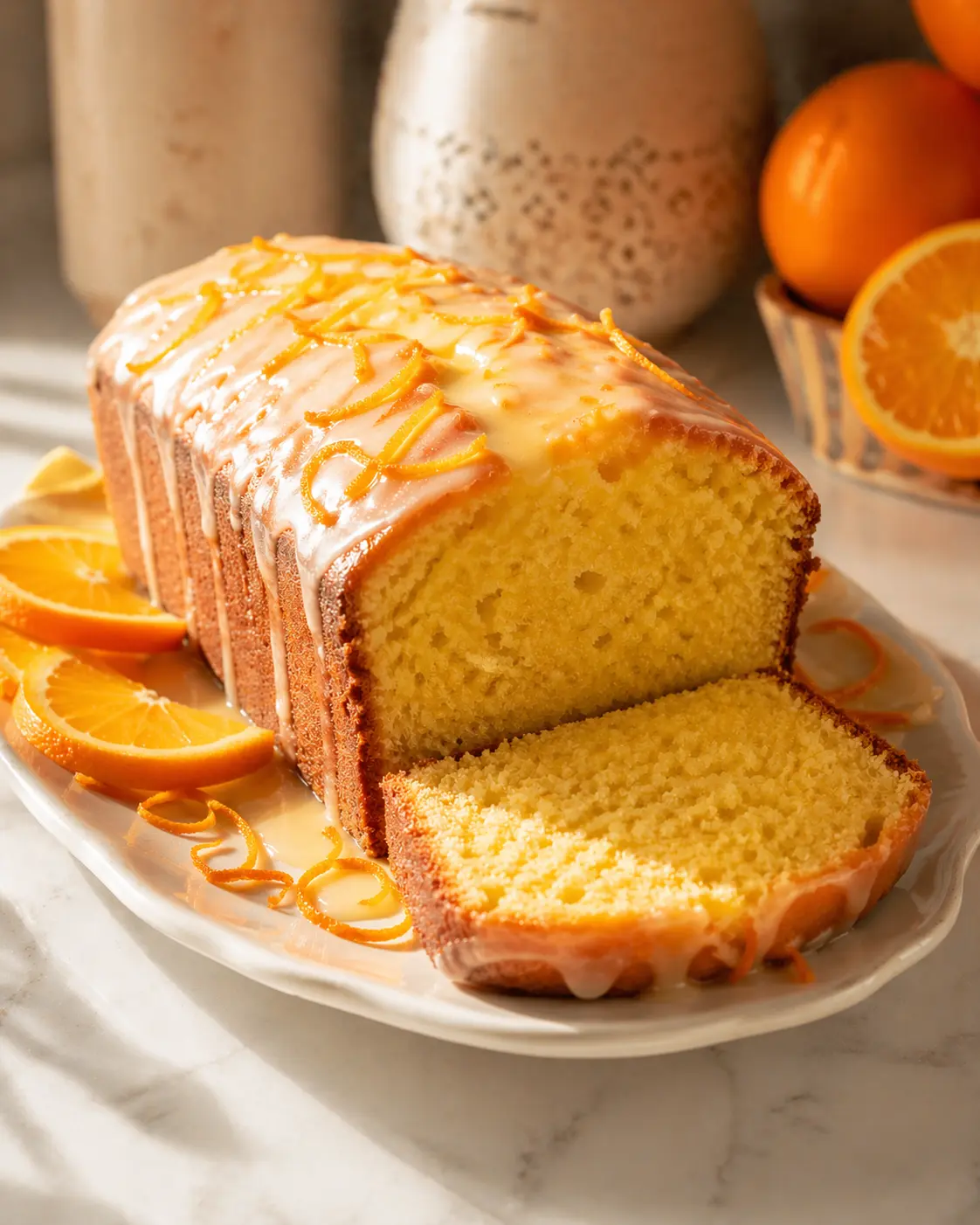
Moroccan Orange Pound Cake Recipe
Ingredients
Method
- Preheat your oven to 325°F (165°C). Grease and flour a 9×5 inch loaf pan or line with parchment paper. Zest oranges before juicing. Measure and lay out all ingredients.
- In a medium bowl, whisk together the flour, baking powder, and salt for 30 seconds until evenly combined. Set aside.
- Beat softened butter and sugar on medium-high speed for 4–5 minutes until pale, light, and very fluffy. Scrape down the bowl halfway through.
- Add eggs one at a time, beating well for 30–45 seconds after each addition until the batter is smooth and slightly glossy.
- Mix in the orange zest, orange juice, vanilla extract, orange blossom water, and sour cream on low speed until just combined.
- Add the flour mixture in two additions, mixing on low speed just until no dry streaks remain. Do not overmix.
- Pour batter into prepared pan, smooth the top, and tap the pan gently on the counter. Bake at 325°F for 55–60 minutes, tenting with foil at 40 minutes if browning too fast. A toothpick inserted in the center should come out clean.
- Simmer orange juice and sugar until the sugar dissolves, about 2–3 minutes. Poke holes over the warm cake and pour syrup evenly over the top. Let absorb fully.
- Cool cake in pan for 15–20 minutes, then transfer to a wire rack to cool completely. Whisk together powdered sugar, orange juice, and zest. Drizzle glaze over cooled cake and let set 15 minutes before slicing.



One Comment