Easy Poha Recipe
This easy poha recipe is a quick, healthy Indian breakfast made in under 15 minutes. A gluten-free, flavorful morning meal everyone will love.
Published: Feb 6, 2026 | By Ilyas Siaghy
Some breakfasts have a way of feeling comforting from the very first bite, and for me, this Easy Poha Recipe is one of them. The first time I made poha at home, I was looking for something light yet satisfying that didn’t require a lot of time in the kitchen. What I discovered was a simple dish packed with flavor, texture, and warmth, a recipe that quickly became part of my regular breakfast rotation.
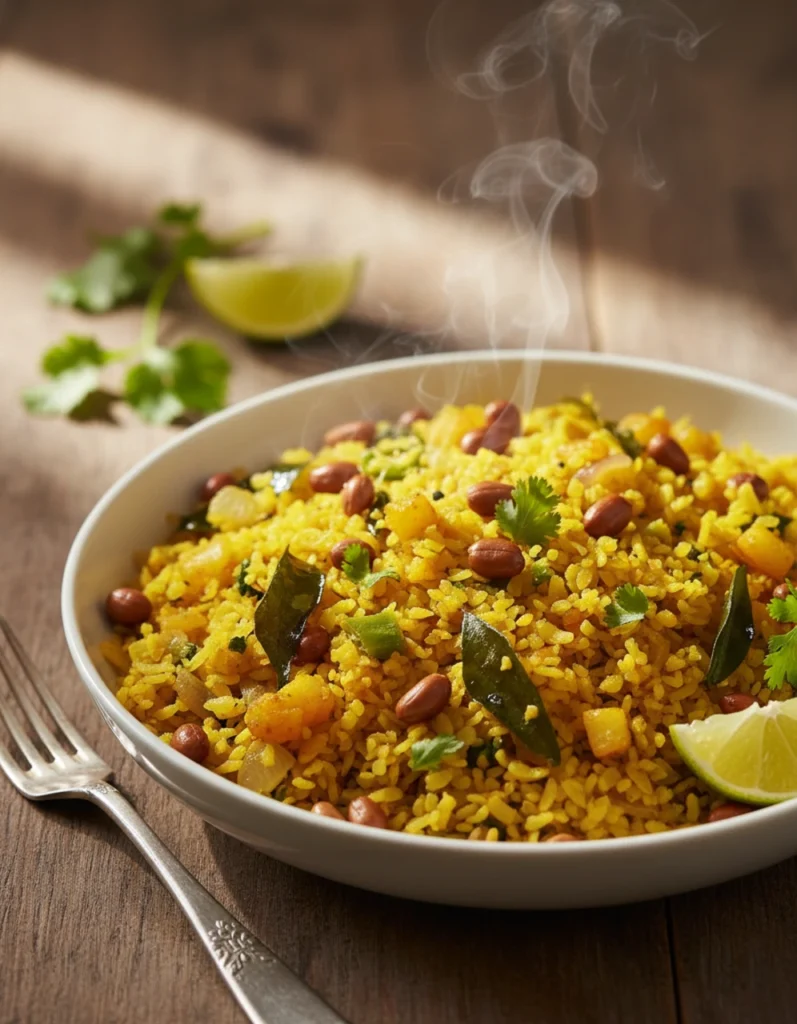
Made with flattened rice, onions, spices, and a few pantry staples, this Easy Poha Recipe comes together surprisingly quickly while delivering incredible flavor. The softened poha absorbs the aromatic spices beautifully, creating a dish that’s savory, fluffy, and wonderfully comforting. A squeeze of fresh lemon juice and a sprinkle of herbs at the end bring everything to life, making each bite fresh and vibrant.
One of the things I love most about poha is its versatility. It’s perfect for busy mornings, light lunches, or even an afternoon snack when you want something wholesome and filling without feeling heavy. Plus, it’s made with simple ingredients that are easy to keep on hand.
If you’re searching for the best Easy Poha Recipe, you’ve come to the right place. This classic dish is quick to prepare, packed with flavor, and perfect for anyone looking for a delicious and satisfying meal that can be made in under 30 minutes.
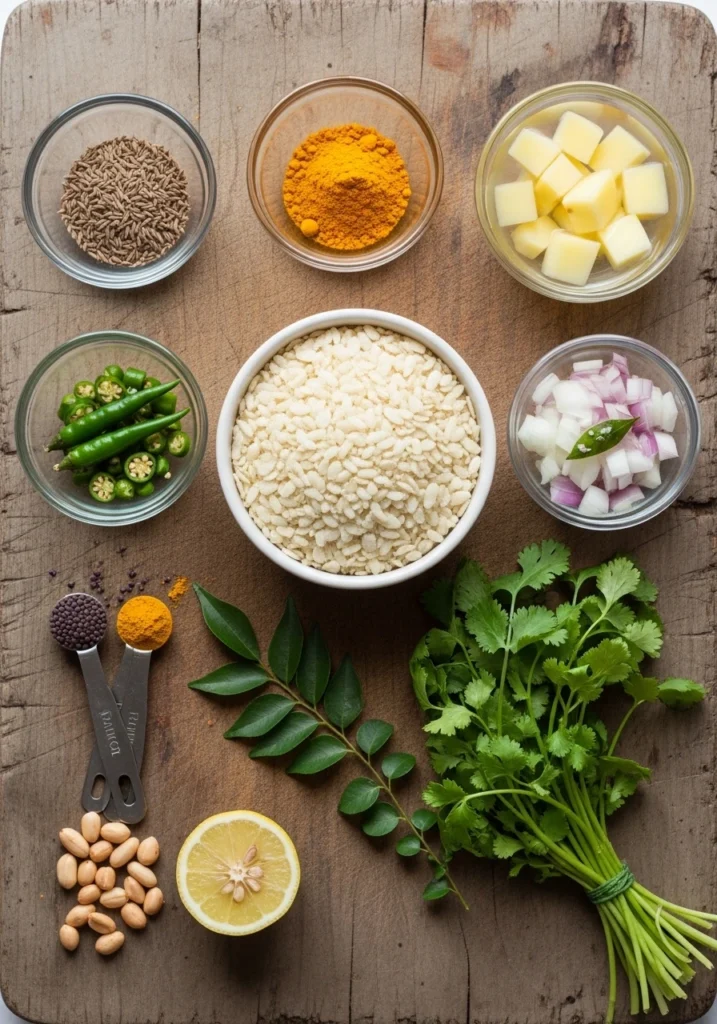
Ingredients for Easy Poha Recipe
Main Ingredients:
- 2 cups thick poha (flattened rice/beaten rice)
- 2 tablespoons oil (vegetable, coconut, or ghee)
- 1 teaspoon mustard seeds
- 1 teaspoon cumin seeds
- 10-12 curry leaves (fresh if possible)
- 2 green chilies, slit lengthwise (adjust to taste)
- 1 large onion, finely chopped
- 1 medium potato, peeled and diced into small cubes
- 1/2 teaspoon turmeric powder
- Salt to taste (about 3/4 teaspoon)
- 1 tablespoon sugar (optional, but recommended)
- 2 tablespoons lemon juice (about 1 lemon)
- 1/4 cup fresh cilantro, chopped
- 2 tablespoons roasted peanuts (optional but adds great crunch)
For Garnish:
- Fresh cilantro, chopped
- Sev (crispy chickpea noodles, optional)
- Lemon wedges
- Fresh grated coconut (optional)
How to Make the Perfect Easy Poha Recipe
Step 1: Prepare the Poha
- Place the poha in a large colander or strainer.
- Rinse the poha gently under running water for just 5-10 seconds, you want to moisten it, not soak it.
- Shake off excess water and let it sit in the colander while you prep other ingredients (about 5 minutes).
- The poha should be soft but still hold its shape, not mushy. This is key to achieving the perfect texture!
Pro tip: If you’re using thin poha, just sprinkle water over it rather than rinsing, as it absorbs water very quickly.
Step 2: Temper the Spices
- Heat oil (or ghee for extra richness) in a large, wide pan or kadai over medium heat.
- Once the oil is hot, add mustard seeds and wait for them to crackle and pop, this should take about 30 seconds.
- Immediately add cumin seeds and let them sizzle for another 10 seconds until fragrant.
- Add curry leaves carefully (they might splutter!) and the slit green chilies.
- Sauté for about 20-30 seconds until the curry leaves become crispy and aromatic.
This tempering step is what gives your indian breakfast recipe its signature flavor, don’t skip it!
Step 3: Cook the Vegetables
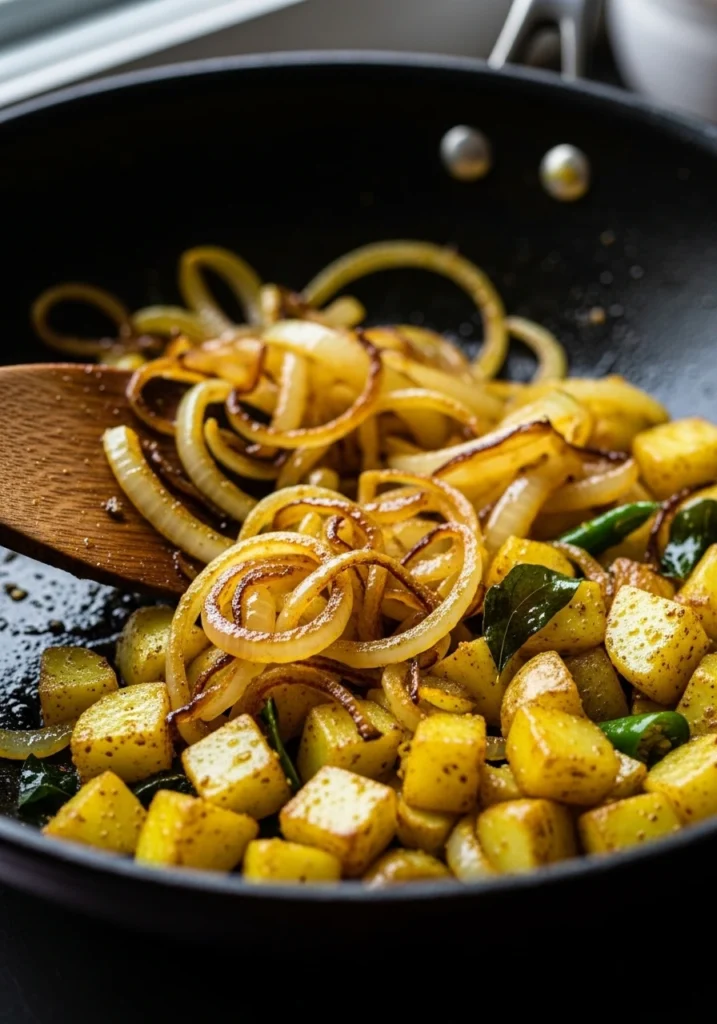
- Add the finely chopped onions to the pan and sauté on medium heat for 3-4 minutes until they turn translucent and slightly golden.
- Add the diced potatoes and stir well to coat them with the spices and oil.
- Sprinkle a pinch of salt over the potatoes (this helps them cook faster).
- Cover the pan with a lid and cook for 5-6 minutes, stirring occasionally, until the potatoes are tender and cooked through.
- You can test doneness by piercing a potato piece with a fork, it should go through easily.
Time-saving tip: Microwave the diced potatoes for 2 minutes before adding them to cut down on cooking time!
Step 4: Add Turmeric and Seasoning
- Once the potatoes are cooked, add the turmeric powder and stir well for about 30 seconds.
- The turmeric will coat everything beautifully and give your poha that characteristic golden color.
- Add salt to taste (remember, you already added a pinch earlier with the potatoes).
- If you’re using sugar, add it now as it balances the flavors beautifully and is a traditional touch.
- Mix everything together until the vegetables are evenly coated with spices.
Step 5: Mix in the Poha
- Lower the heat to low-medium.
- Add the drained poha to the pan with the vegetables.
- Using a gentle folding motion (like you’re folding whipped cream), mix the poha with the vegetables, don’t stir vigorously or the poha will become mushy!
- Make sure the turmeric and spices are evenly distributed and the poha turns a beautiful yellow color.
- If the poha seems dry, sprinkle 1-2 tablespoons of water and gently mix.
- Cover and let it steam on low heat for 2-3 minutes.
Step 6: Final Touches
- Remove the lid and add roasted peanuts if using, they add a wonderful crunch!
- Squeeze fresh lemon juice over the poha and gently fold it in.
- Add half of the chopped cilantro and mix gently.
- Taste and adjust salt, lemon juice, or spice level as needed.
- Turn off the heat, your perfect poha is ready!
Step 7: Serve and Garnish
- Transfer the hot poha to serving bowls.
- Garnish generously with the remaining fresh cilantro.
- Add a sprinkle of sev on top for extra crunch (totally optional but delicious).
- Serve with lemon wedges on the side so everyone can add extra tang to their liking.
- If you have fresh grated coconut, a small sprinkle adds a traditional touch.


Serving suggestion: Pair this easy indian breakfast with a hot cup of masala chai for the ultimate morning comfort!
Expert Tips for the Best Spicy Poha Recipe
Choosing the Right Poha
Not all poha is created equal! Here’s what you need to know:
- Thick poha (medium): Best for beginners, forgiving and holds shape well
- Thin poha: Cooks faster but can become mushy easily, requires a gentle touch
- Extra thick poha: Takes longer to soften; better for certain regional variations
For this easy poha recipe, I recommend medium-thick poha. You can find it at Indian grocery stores or online labeled as “medium poha” or “medium flattened rice.”
The Perfect Texture Secret
The difference between good poha and amazing poha is all in the texture. Here’s how to nail it:
- Don’t over-rinse: Just 5-10 seconds under water is enough
- Let it rest: Give the poha 5 minutes to absorb moisture before cooking
- Fold, don’t stir: Treat it gently when mixing
- Taste as you go: The poha should be soft but still have a slight bite
Spice Level Adjustments
For mild (kid-friendly) poha:
- Use just 1 green chili or omit entirely
- Reduce or skip black pepper
- Add a pinch of sugar to balance flavors
For spicy poha lovers:
- Increase green chilies to 3-4
- Add 1/4 teaspoon red chili powder with turmeric
- Sprinkle crushed black pepper before serving
- Add a few chopped fresh Thai chilies for extra heat
Variations to Try
Veggie-Loaded Poha
Add any of these vegetables for extra nutrition:
- Green peas (frozen work great!)
- Diced carrots
- Chopped bell peppers
- Sweet corn
- Finely chopped cabbage
Just add them with the potatoes and cook until tender.
Kanda Poha (Onion Poha)
Skip the potatoes and double the onions for a traditional Maharashtrian version that’s even quicker!
Protein-Packed Poha
- Add boiled chickpeas for extra protein
- Toss in roasted cashews with the peanuts
- Mix in crumbled paneer for a richer breakfast
- Top with a fried egg for a fusion twist
Lemon Poha (Extra Tangy)
Love citrus? Double the lemon juice and add a teaspoon of lemon zest for an extra bright, tangy flavor.
Sweet Poha
For a completely different experience, make sweet poha by adding:
- Jaggery or sugar instead of salt
- Cardamom powder
- Raisins and cashews
- A splash of milk
Ingredient Substitutions
- No curry leaves? Use a bay leaf (though curry leaves really make a difference!)
- Out of mustard seeds? You can skip them, but they add authentic flavor
- No peanuts? Try cashews, almonds, or sunflower seeds
- Vegan version: Use oil instead of ghee (though ghee adds amazing flavor)
- Low-carb option: While poha is rice-based, you can reduce the quantity and bulk it up with extra vegetables
- Nut allergy: Simply omit the peanuts, the dish is still delicious without them
Storage and Reheating Instructions
Storing Leftover Poha
While poha is best enjoyed fresh, you can store leftovers:
- Let the poha cool completely to room temperature
- Transfer to an airtight container
- Refrigerate for up to 2 days
- Store lemon wedges and garnishes separately
How to Reheat Poha
Microwave method:
- Place poha in a microwave-safe bowl
- Sprinkle 1-2 tablespoons of water over it
- Cover with a damp paper towel
- Microwave for 1-2 minutes, stirring halfway through
Stovetop method:
- Heat a pan over low heat
- Add poha and sprinkle a little water
- Cover and steam for 2-3 minutes
- Stir gently and heat until warmed through
Pro tip: Add a fresh squeeze of lemon and some cilantro after reheating to brighten up the flavors!
Can You Freeze Poha?
I don’t recommend freezing poha as the texture becomes very mushy when thawed. This dish is so quick to make that it’s better to prepare it fresh when you want it.
Nutritional Highlights
This healthy poha recipe offers several nutritional benefits:
- Low in calories: Perfect for those watching their weight
- Gluten-free: Naturally safe for gluten-sensitive individuals
- Good source of carbohydrates: Provides quick energy for your morning
- Rich in iron: Especially if using fortified poha
- Probiotic potential: The fermentation process in flattened rice production may offer gut health benefits
- Vegetable nutrition: Onions, potatoes, and added veggies provide vitamins and fiber
- Healthy fats: From peanuts and oil/ghee in moderation
Approximate nutritional info per serving: ~200-250 calories, 35g carbs, 4g protein, 6g fat (will vary based on oil and add-ins used)
FAQs About Easy Poha Recipe
What is poha made of?
Poha is made from rice that has been parboiled, rolled, flattened, and then dried to create flakes. It’s essentially flattened rice or beaten rice. The process makes it quick-cooking and easy to digest, which is why it’s such a popular indian breakfast recipe across India.
Do I need to soak poha before cooking?
No, you don’t need to soak thick or medium poha! Just rinse it briefly under water (5-10 seconds) and let it sit for 5 minutes. The moisture will soften the flakes perfectly. Over-soaking leads to mushy poha, which is what we want to avoid. Thin poha needs even less water, just a sprinkle.
Can I make poha without potatoes?
Absolutely! Traditional kanda poha is made without potatoes and is even quicker. You can also substitute potatoes with other vegetables like peas, carrots, or bell peppers. Some people prefer to skip vegetables entirely for a simpler version. The basic spiced poha is delicious on its own!
Is poha good for weight loss?
Yes, poha can be part of a healthy weight loss diet when prepared with minimal oil. It’s low in calories, fat-free in its natural form, and provides good carbohydrates for energy. The key is to load it up with vegetables, use less oil, and watch your portion sizes. It keeps you full longer than many other breakfast options.
Where can I buy poha?
You can find poha at any Indian grocery store in the rice or breakfast section. It’s also available online on Amazon, Walmart, and specialty Indian food websites. Look for “thick poha,” “medium poha,” or “flattened rice.” A 2-pound bag usually costs $3-5 and lasts for many breakfasts!
Why is my poha mushy?
Mushy poha usually happens from: 1) Over-rinsing or soaking the poha too long, 2) Using thin poha when the recipe calls for thick, or 3) Stirring too vigorously when mixing. The solution is to rinse quickly, let it drain well, and use a gentle folding motion when mixing ingredients.
Can I make poha ahead of time?
While poha tastes best fresh, you can prep ingredients the night before: wash and dice vegetables, measure spices, and keep them ready. In the morning, you can have breakfast ready in under 10 minutes! Alternatively, make a big batch on weekends and reheat portions throughout the week (though the texture is best when fresh).
Behind This Traditional Indian Breakfast
Poha holds a special place in Indian breakfast culture, particularly in Western and Central India. In Maharashtra, it’s practically a breakfast staple you’ll find it at street stalls, in homes, and even at weddings as part of the morning meal.
The beauty of this quick indian breakfast is that every region has its own variation. In Madhya Pradesh, they make it with lots of fennel seeds and serve it with sweet and spicy chutneys. In Gujarat, they add sugar for a sweet-savory balance. Some regions add grated coconut, while others keep it simple.
I learned this recipe from my neighbor who grew up in Mumbai. She’d make huge batches for her family every Sunday morning, and the aroma of curry leaves and mustard seeds would waft through our apartment building. She taught me that the secret to great poha isn’t exotic ingredients, it’s the technique and the love you put into making it.
Perfect Pairings: What to Serve with Poha
This gluten free indian breakfast is delicious on its own, but here are some traditional accompaniments:
Beverages:
- Masala chai (hot spiced tea)
- Fresh orange juice
- Lassi (sweet or salted yogurt drink)
Side dishes:
- Banana chips
- Papad (crispy lentil crackers)
- Fresh fruit salad
- Yogurt raita
Chutneys:
- Coconut chutney
- Tamarind chutney
- Green chutney (cilantro-mint)
More Indian Recipes You’ll Love
If you enjoyed this healthy poha recipe, you’ll want to try these other quick indian breakfast favorites:

Easy Poha Recipe
Ingredients
Equipment
Method
- Place the poha in a large colander or strainer. Rinse the poha gently under running water for just 5-10 seconds, you want to moisten it, not soak it
- Shake off excess water and let the poha sit in the colander for about 5 minutes. The poha should be soft but still hold its shape, not mushy.
- Heat oil in a large, wide pan or kadai over medium heat. Once hot, add mustard seeds and wait for them to crackle and pop (about 30 seconds). Immediately add cumin seeds and let them sizzle for 10 seconds until fragrant
- Add curry leaves carefully (they might splutter!) and the slit green chilies. Sauté for about 20-30 seconds until the curry leaves become crispy and aromatic.
- Add the finely chopped onions to the pan and sauté on medium heat for 3-4 minutes until they turn translucent and slightly golden.
- Add the diced potatoes and stir well to coat them with the spices and oil. Sprinkle a pinch of salt over the potatoes. Cover the pan with a lid and cook for 5-6 minutes, stirring occasionally, until the potatoes are tender and cooked through.
- Once the potatoes are cooked, add the turmeric powder and stir well for about 30 seconds. Add salt to taste and sugar if using. Mix everything together until the vegetables are evenly coated with spices.
- Lower the heat to low-medium. Add the drained poha to the pan with the vegetables. Using a gentle folding motion, mix the poha with the vegetables—don't stir vigorously or the poha will become mushy. Make sure the turmeric and spices are evenly distributed.
- If the poha seems dry, sprinkle 1-2 tablespoons of water and gently mix. Cover and let it steam on low heat for 2-3 minutes