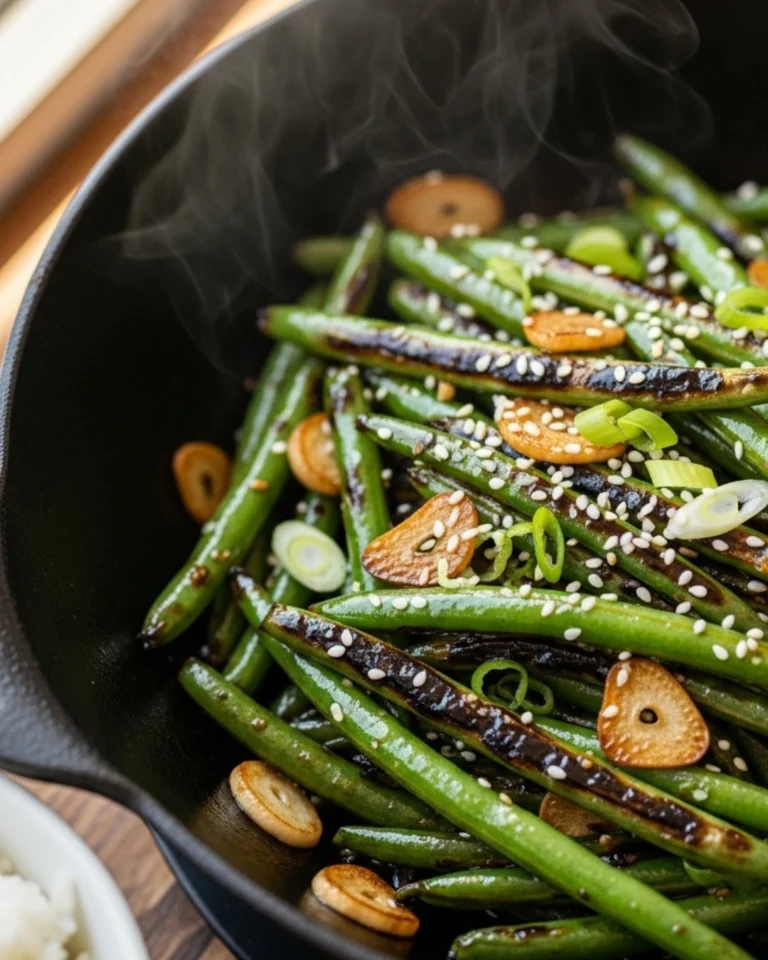
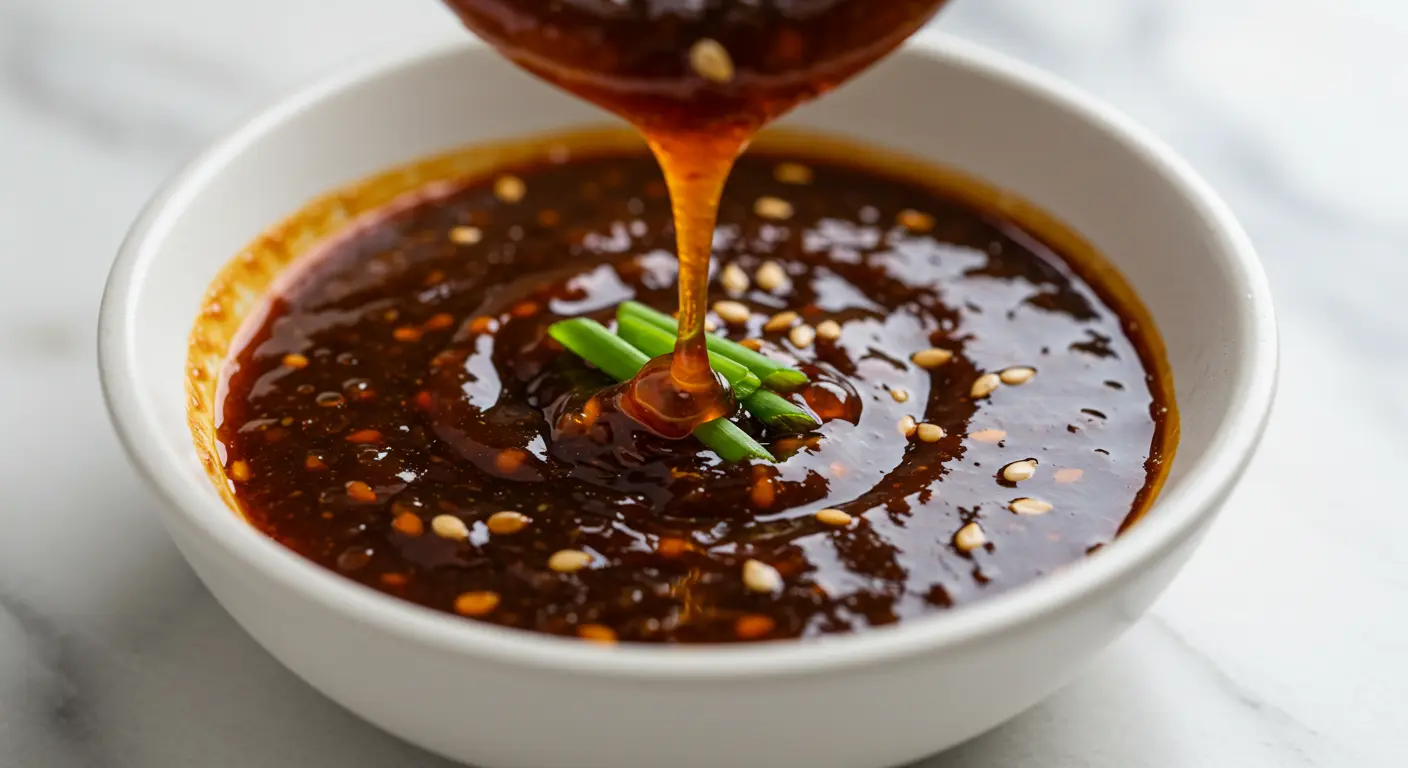
Bibimbap Sauce Recipe
Make the best Korean bibimbap sauce recipe at home in just 5 minutes! 6 simple ingredients, bold spicy-sweet flavor. Use it on rice bowls, noodles, and more.
Published: Sep 26, 2025 By Ilyas Siaghy
Introduction
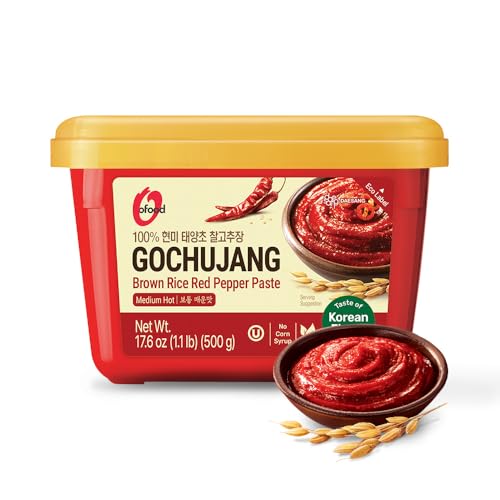
There’s something so comforting about a warm bowl of bibimbap loaded with colorful vegetables, fluffy rice, and a perfectly fried egg but for me, the real thing has always been the sauce. The key is starting with a quality gochujang, i recommend this Korean gochujang paste for its authentic depth of flavor that budget supermarket versions just can’t match. The first time I tried making a homemade Bibimbap Sauce Recipe, I was honestly surprised by how easy it was to recreate that bold, spicy-sweet Korean flavor at home. After testing different combinations of gochujang, sesame oil, garlic, and honey, I finally found the perfect balance that tastes just like authentic Korean restaurant bibimbap sauce.
Now, this easy bibimbap sauce Recipe has become one of my favorite kitchen staples because it instantly transforms simple rice bowls, roasted vegetables, grilled chicken, or even noodles into something incredibly flavorful. The rich umami from Korean gochujang, combined with the nutty sesame flavor and subtle sweetness, creates the ultimate authentic Korean bibimbap sauce that’s both versatile and addictive.
If you’ve been searching for the best Bibimbap Sauce Recipe, this one is quick, easy, and made with simple pantry ingredients in just minutes. Whether you’re preparing a traditional Korean bibimbap bowl or looking for a spicy sauce for meal prep, this homemade bibimbap sauce delivers restaurant-quality flavor every single time. Once you taste this authentic gochujang bibimbap sauce, you’ll want to drizzle it on everything.
Ingredients
For the Base Sauce:
- 3 tablespoons gochujang (Gochujang varies a lot by brand, i use this one for its balance of heat and fermented depth.)
- 2 tablespoons soy sauce (low sodium preferred)
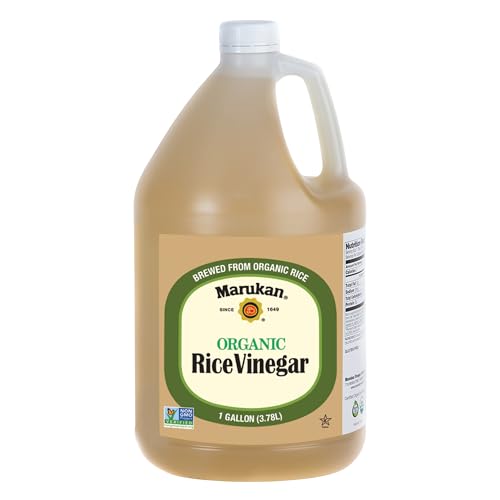
- 1 tablespoon rice vinegar (Use unseasoned rice vinegar like this one, not seasoned which will throw off the balance.)
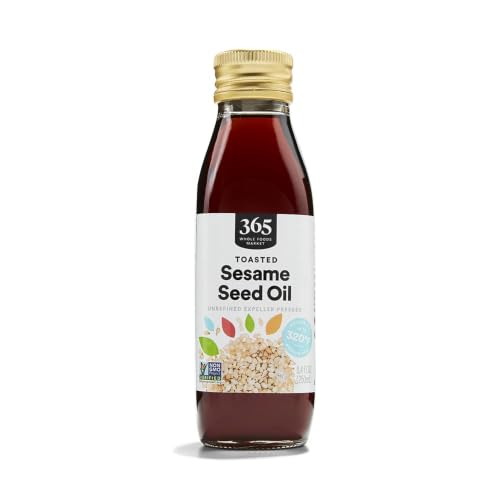
- 1 tablespoon sesame oil. Make sure you use toasted sesame oil (not regular), this one is my go-to for Korean recipes.
- 2 teaspoons honey (balances the heat beautifully)
- 1 clove garlic, minced (because garlic makes everything better)
- 1/2 teaspoon fresh ginger, grated (adds warmth and depth)
Optional Flavor Boosters:
- 1 teaspoon toasted sesame seeds (for extra texture and nuttiness)
- 1 green onion, finely chopped (adds freshness and color)
- 1/4 teaspoon Korean red pepper flakes (for those who like extra heat)
Equipment You’ll Need


How to Make Bibimbap Sauce
Step 1: Gather and Prep
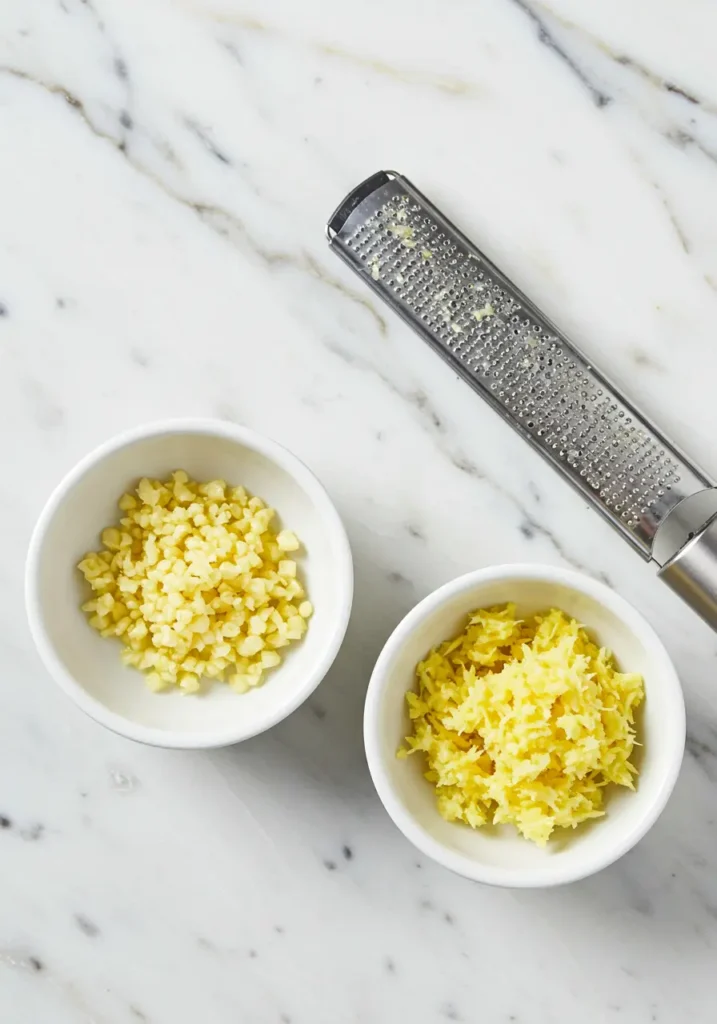
Start by gathering all your ingredients on the counter. Trust me, having everything ready makes this process so much smoother, especially on busy weeknights when you’re juggling dinner and homework help! Mince your garlic and grate your fresh ginger. The fresh ginger is key here; it adds a warmth that ground ginger just can’t match.
Pro Tip: Use a microplane grater for the ginger, it creates the perfect fine texture that blends seamlessly into the sauce.
Step 2: Create the Base
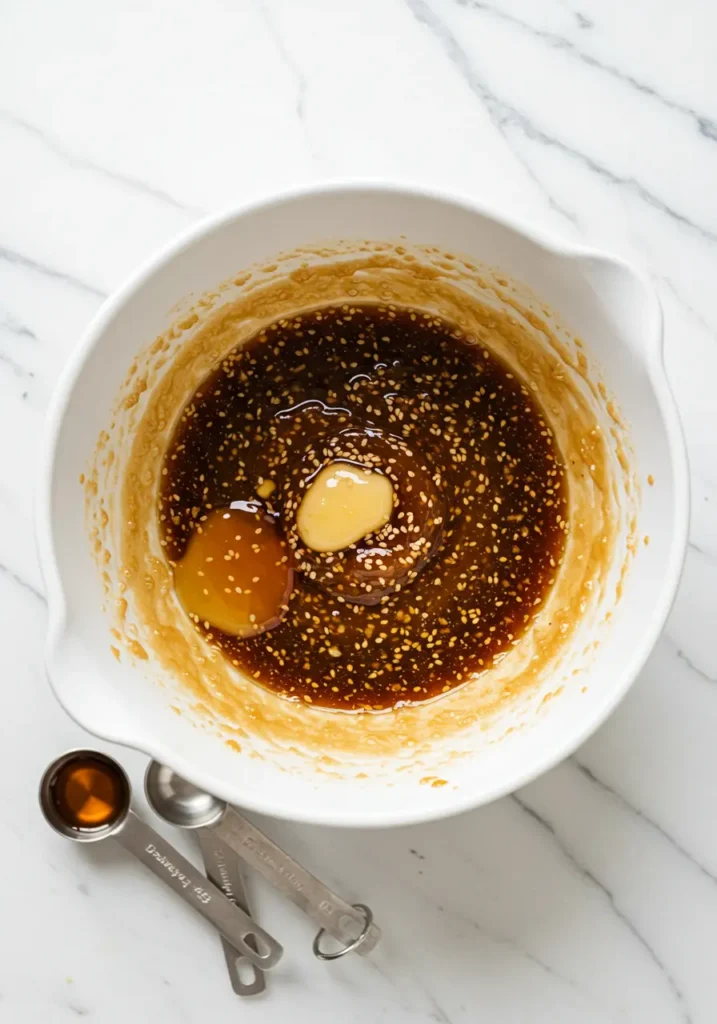
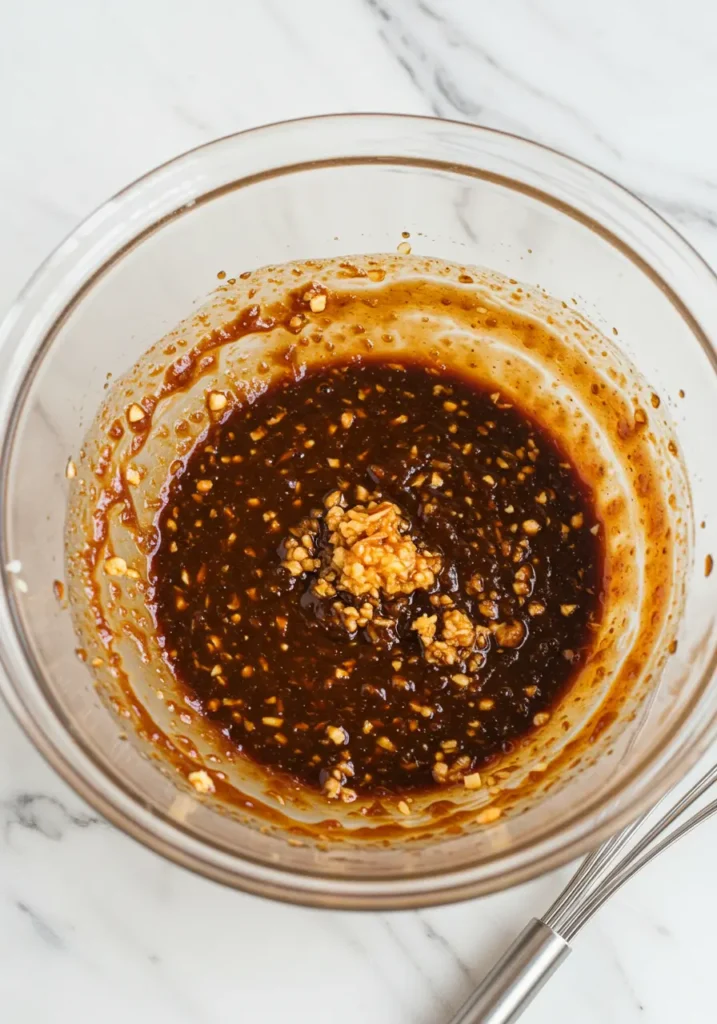
In a small mixing bowl, whisk together the gochujang and soy sauce until completely smooth (a small whisk works perfectly here). This step is crucial because gochujang can be a bit thick and stubborn. You want a completely smooth base before adding the other ingredients.
Don’t worry if you’ve never used gochujang before, it’s available at most grocery stores now, and once you try it, you’ll be adding it to everything!
Step 3: Add the Liquids
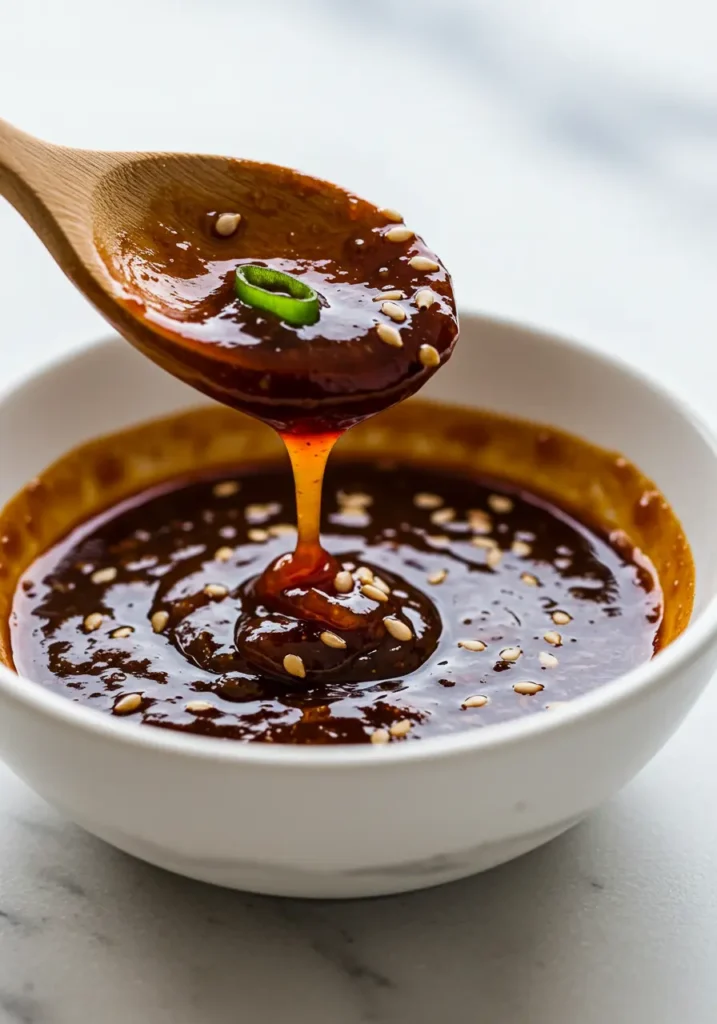
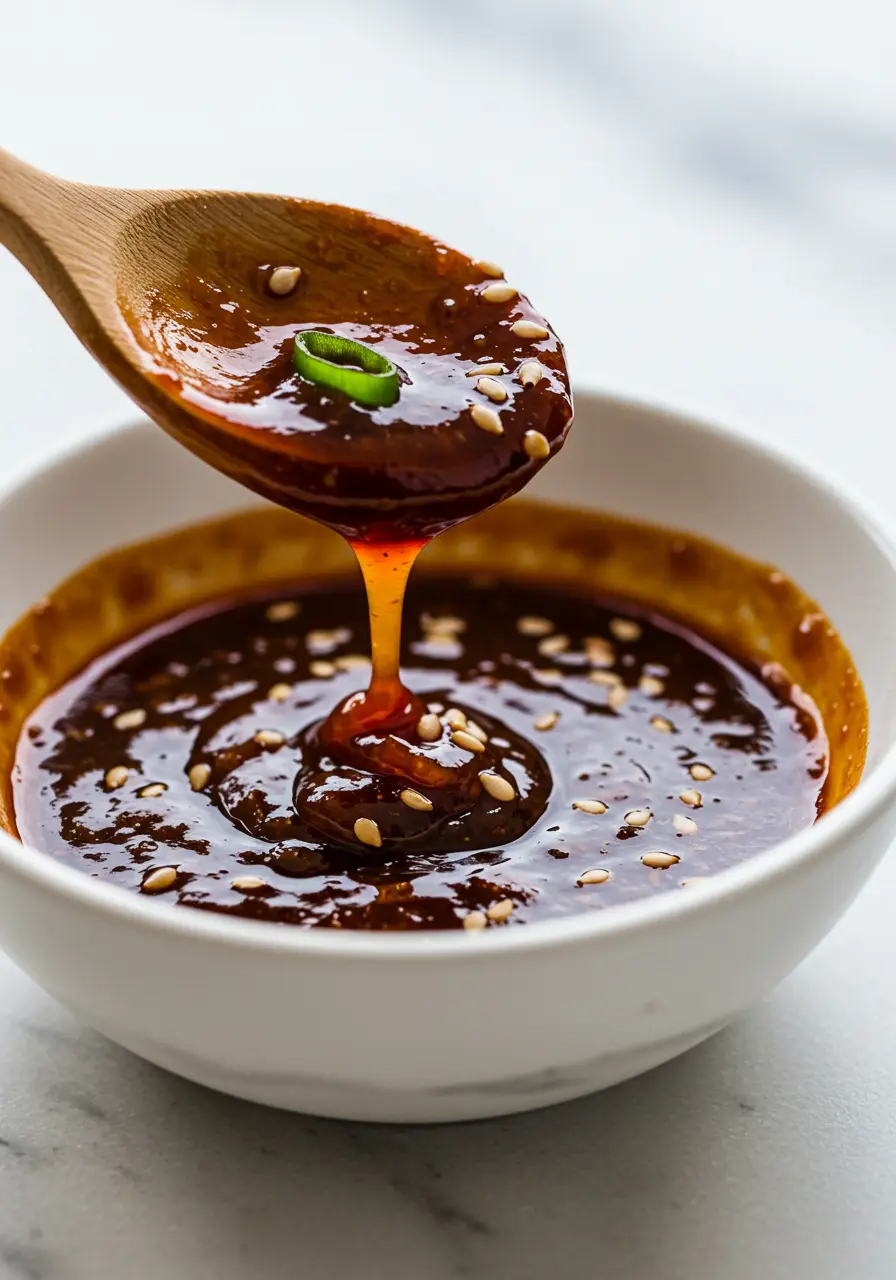
Slowly whisk in the rice vinegar, sesame oil, and honey. The honey might want to clump up a bit, but keep whisking – it’ll incorporate beautifully. This is where the magic happens and you’ll start to see that gorgeous, glossy texture that makes restaurant bibimbap so irresistible.
Step 4: Incorporate Aromatics
Add your minced garlic and grated ginger, whisking until everything is completely combined. Take a moment to smell what you’ve created – that aroma is pure Korean comfort food in the making!
Step 5: Rest and Adjust
Here’s where patience pays off (I know, I know – patience and dinner prep don’t always go together!). Let your bibimbap sauce recipe sit for about 5 minutes. This allows all those beautiful flavors to meld together and gives you time to taste and adjust. Transfer any leftover sauce to a small airtight glass jar or in condiment squeeze bottles for sauces, it keeps in the fridge for up to 2 weeks.
Taste your sauce with a spoon and adjust as needed:
- Too spicy? Add another teaspoon of honey
- Need more heat? Stir in those Korean red pepper flakes
- Want more tang? A splash more rice vinegar does the trick
- Looking for extra umami? A tiny bit more soy sauce works wonders
Pro Tips
The Gochujang (Why Brand Matters)
Not all gochujang tastes the same, and that can make or break your bibimbap sauce. Look for trusted brands like Bibigo or Chung Jung One in the Asian foods aisle. You want a thick, smooth paste similar to tomato paste that mixes easily. If it’s watery or overly stiff, the flavor balance won’t be quite right.
Finding the Sweetness Balance
Honey is a favorite here because it melts right into the sauce, but it’s not the only option. Brown sugar adds warmth, maple syrup keeps it mellow, and mirin brings a subtle depth if you already have it. The key is tasting as you go. A small tweak can completely change the final flavor.
Make It Your Own (No Rules Here)
This bibimbap sauce recipe is meant to flex with your preferences. Love garlic? Add another clove. Want more sesame flavor? A little extra sesame oil goes a long way. Home cooking is all about adjusting recipes until they fit your family’s taste perfectly.
Easy Gluten-Free Swaps
Making this sauce gluten-free is simple with one smart swap. Use tamari instead of regular soy sauce, and always check the label on your gochujang. Most brands are gluten-free, but it’s worth a quick look to be safe. Same great flavor, no compromise.
Simple Vegan Option
This sauce is naturally vegan with just one small choice. Swap honey for maple syrup or agave, and you’re good to go. The sauce keeps its sweet-savory balance and pairs beautifully with veggies, tofu, or mushrooms. Even non-vegans won’t notice the difference.
Lower Sodium, Same Big Flavor
If you’re watching salt, low-sodium soy sauce works great here. Use a little less than usual and balance it out with extra rice vinegar. You’ll still get that bold bibimbap flavor without it tasting flat. It’s a smart tweak for everyday meals.
Variations to Try
Kid-Friendly Bibimbap Sauce
Cooking for kids? Simply reduce the gochujang to about two tablespoons and add a touch more honey. The sauce stays flavorful without too much heat. You can always keep a spicier version on the side for adults who like the kick.
Nutty and Rich Variation
For a richer twist, stir in a tablespoon of natural peanut butter or almond butter. It adds a creamy, nutty depth that’s especially good with beef bibimbap. This version feels extra comforting and filling. Perfect for colder nights.
Bright Citrus Twist
Swap half the rice vinegar with fresh lime juice for a lighter, fresher flavor. This version pairs beautifully with summer vegetables and lighter proteins. It adds just enough brightness to wake everything up. Great when you want something less heavy.
Smoky Heat Upgrade
A pinch of smoked paprika brings a subtle smoky note to the sauce. It’s not overpowering, but it adds real depth, especially with grilled or roasted veggies. This is a small change with big payoff. Ideal if you love layered flavors.
Storage and Reheating
How to Store Bibimbap Sauce
This bibimbap sauce is a total meal-prep win. Once mixed, store it in an airtight container in the refrigerator for up to two weeks. I usually make a double batch on Sunday so weeknight dinners come together fast. It’s one of those sauces that actually gets better as the flavors sit.
If the sauce thickens in the fridge, don’t worry, that’s completely normal. Just give it a good stir before using. If you want it a little looser, add a small splash of water or rice vinegar until it’s just how you like it.
Make-Ahead & Freezer Tip
Want to get even more ahead of the game? This sauce freezes beautifully. Pour it into ice cube trays and freeze for up to one month. Once frozen, transfer the cubes to a freezer bag. Each cube is the perfect single serving and thaws quickly on the counter or in the microwave.
Easy Ways to Use It All Week
This sauce isn’t just for Korean bibimbap once you have it on hand, you’ll find yourself reaching for it constantly. Here are a few favorite ways to use leftovers:
- Drizzled over grilled chicken or salmon
- Stirred into fried rice for instant Korean-inspired flavor
- Used as a dipping sauce for dumplings or spring rolls
- Mixed into noodle soups or ramen for extra depth
It’s one of those simple sauces that makes everyday meals taste exciting without extra effort.
Bibimbap Sauce FAQs
What exactly is gochujang and where can I find it?
Gochujang is a fermented Korean chili paste that’s sweet, spicy, and incredibly flavorful. You can find it in the Asian foods section of most grocery stores, including Target, Walmart, and definitely any Asian market. It comes in a red plastic container and keeps for months in your fridge. Once you try it, you’ll wonder how you cooked without it!
Can I make this bibimbap sauce recipe without gochujang?
While gochujang is really the heart of authentic bibimbap sauce, you can create a substitute by mixing 2 tablespoons sriracha with 1 tablespoon miso paste and 1 teaspoon sugar. It won’t be exactly the same, but it’ll still be delicious!
How spicy is this sauce?
On a scale of 1-10, this bibimbap recipe sauce sits around a 4-5. It has warmth and flavor without being overwhelming. The honey really helps balance the heat, making it family-friendly while still being exciting for adult palates.
What’s the best way to serve this with bibimbap?
Traditionally, you drizzle the sauce over your assembled bibimbap ingredients just before eating, then mix everything together. Start with about 2 tablespoons per bowl and add more as desired. The beauty of bibimbap is that everyone can customize their perfect bite!
Can I double or triple this bibimbap sauce recipe?
Absolutely! This bibimbap sauce recipe scales beautifully. I often make triple batches because it keeps so well and we use it on everything. Just make sure you have a large enough bowl for whisking – the sauce can get a bit enthusiastic when you’re mixing larger quantities!
What other dishes can I use this sauce with?
This sauce is incredibly versatile! Try it on grain bowls, grilled vegetables, roasted chicken, salmon, or even as a dipping sauce for dumplings. It also makes an amazing stir-fry sauce, just thin it with a little water or broth.
My sauce is too thick/thin. How do I fix it?
Too thick? Add rice vinegar or water, one teaspoon at a time, until you reach your desired consistency. Too thin? Whisk in a bit more gochujang. The beauty of this recipe is how forgiving it is!
More Related Easy Recipes
- Korean Bibimbap
- Kimchi Fried Rice (Bokkeumbap)
- Thai Basil Pesto Recipe
- Authentic Miso Soup Recipe (味噌汁)
Shop This Recipe
As an Amazon Associate, I earn from qualifying purchases. This means that if you click on an Amazon link on my site and make a purchase, I may receive a small commission at no extra cost to you.
Easy Bibimbap Sauce Recipe (Authentic Korean Gochujang)
Ingredients
Method
- Gather and Prep: Gather all ingredients on the counter. Mince garlic and grate fresh ginger using a microplane grater for the perfect fine texture.
- Create the Base: In a small mixing bowl, whisk together the gochujang and soy sauce until completely smooth. Make sure the gochujang is fully incorporated.
- Add Liquid Components: Slowly whisk in the rice vinegar, sesame oil, and honey. Continue whisking until you achieve a glossy, smooth texture.
- Incorporate Aromatics: Add minced garlic and grated ginger, whisking until everything is completely combined and evenly distributed.
- Rest and Adjust: Let the sauce rest for 5 minutes to allow flavors to meld. Taste and adjust seasoning as needed – add more honey for sweetness, rice vinegar for tang, or gochujang for heat.